



Science fiction explores the what ifs, examining science and technology and its impact on the human race in years to come. Recently, innovations in the technology space have felt like science fiction; from quantum computing breakthroughs to the rollout of humanoid robots, from driverless cars to AI becoming accessible to all. These innovations were once something we could only dream of, but now this is the new reality. So the question is, how will this technology impact humans and the defence industry in the future?
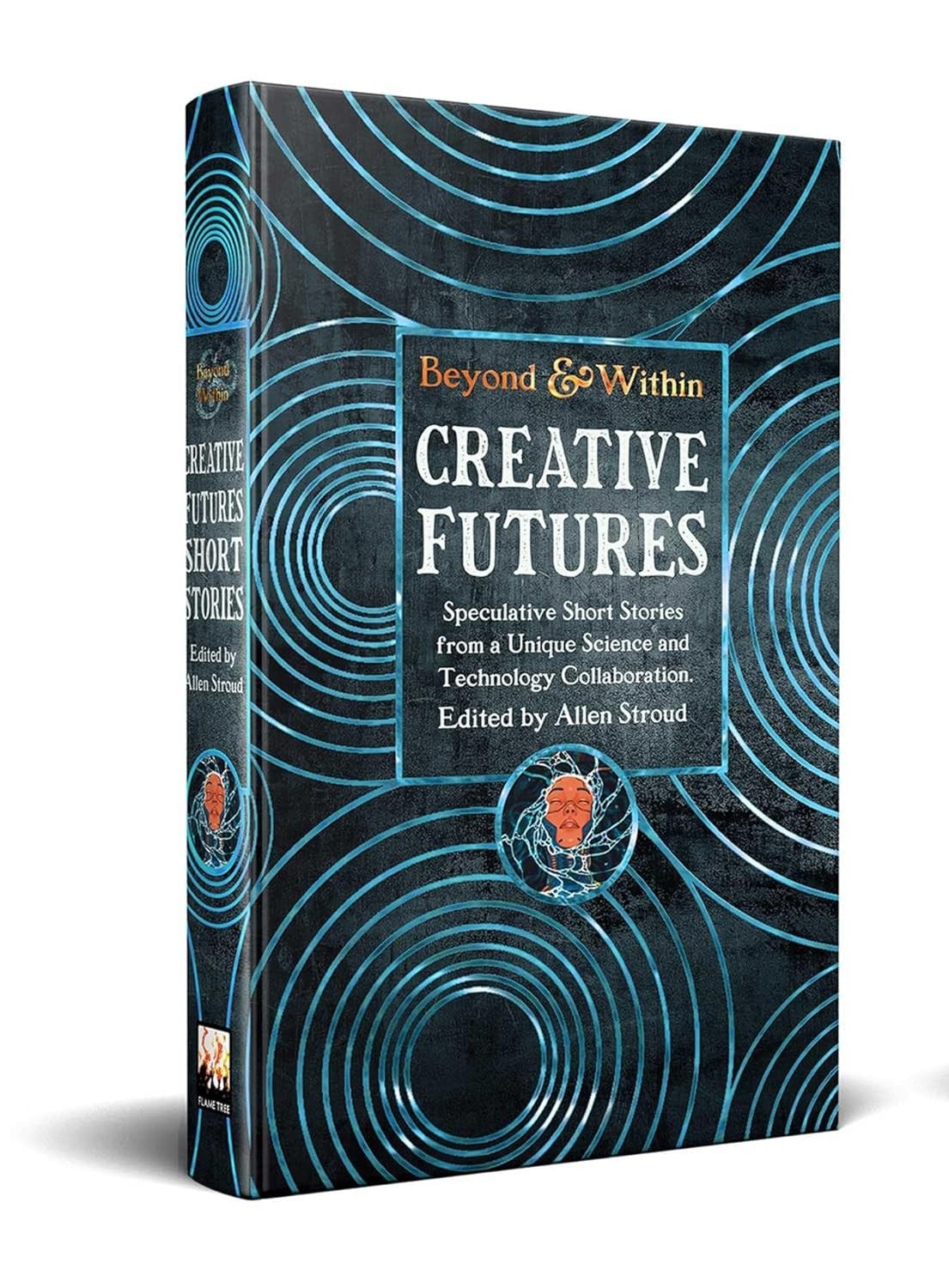
Dr. Allen Stroud, a researcher at the University of Coventry, has created a collection of science fiction stories designed to spark thinking about the future of defence and security over the next 100 years. Working with the Defence Science and Technology Laboratory (DSTL), the Ministry of Defence’s in-government science and technology organisation, he has created Creative Futures, bringing together sci-fi authors and defence experts to imagine future scenarios stretching as far as 2122.
The stories chosen for Creative Futures explore how emerging technologies, societal shifts, and global challenges might shape the world beyond this century. Themes of the stories include wars fought by autonomous machines, quantum technology that can predict the future, and AI making life and death decisions.
Dr. Stroud commented: “Science fiction isn’t just entertainment, it’s a strategic tool. These stories help us explore the risks and opportunities of emerging technologies beyond today’s horizon that we might otherwise miss.”
Dr. Stroud, from the Research Centre for Peace and Security which focuses on understanding and addressing future security challenges, wrote six of the stories himself, including one about AI being tasked with solving a conflict between two countries and its solution is to lie to both sides, scheme, double-cross, and potentially murder people on both sides so all those involved are then too scared to continue the conflict.
Explaining the book in more detail, he explained: “The premise is to look at incidents that may happen in the next 50 years and build resilience to deal with them. For example, what could terrorism look like and how would we respond? Or imagine there is a climate incident in a coastal city in 45 years and we write a story that is based on the experiences of fictional people who are living there and what it is like to be part of that situation. The story tells you what they could experience.
“Even if that was to then happen somewhere else, what we are trying to do is show how people could react in that situation and write in an agile way that is not locked into a specific set of circumstances. Some science fiction is very specific but these stories are not.”
Sarah Herbert, DSTL Futures Programme Manager, said: “Preparing for the future means thinking beyond the next upgrade or system. Science fiction challenges us to consider the human, societal, and geopolitical dimensions of technology.
“These stories aim to engage, evoke, and provoke – pushing us to imagine new ways of working and rethink what the future could be. By carrying that creative mindset into the present, we can apply their lessons to real world challenges and unlock better ways of working today.”
As technologies once confined to fiction continue to move into everyday life, the line between imagination and implementation thins. Projects like Creative Futures demonstrate that storytelling, rather than being an indulgence, is a structured method of stress-testing ideas before they materialise. If quantum systems, autonomous machines, and AI continue to shape the coming century, then the responsibility to anticipate their human impact sits in the present.
By exploring the “what ifs”, the Creative Futures invites defence and technology communities to prepare not only for what could be built, but for how it might be lived with.