



Two electric flying cars collided during a rehearsal for the upcoming Changchun Air Show in north-east China, drawing attention not only to the safety of such vehicles but also to the rapid progress being made in the sector.
The aircraft, developed by Xpeng’s subsidiary AeroHT, were performing demonstration manoeuvres when they collided mid-air. One vehicle caught fire during its landing sequence, according to the company. Xpeng stated that “all personnel at the scene are safe,” but separate reports suggested one individual sustained injuries.
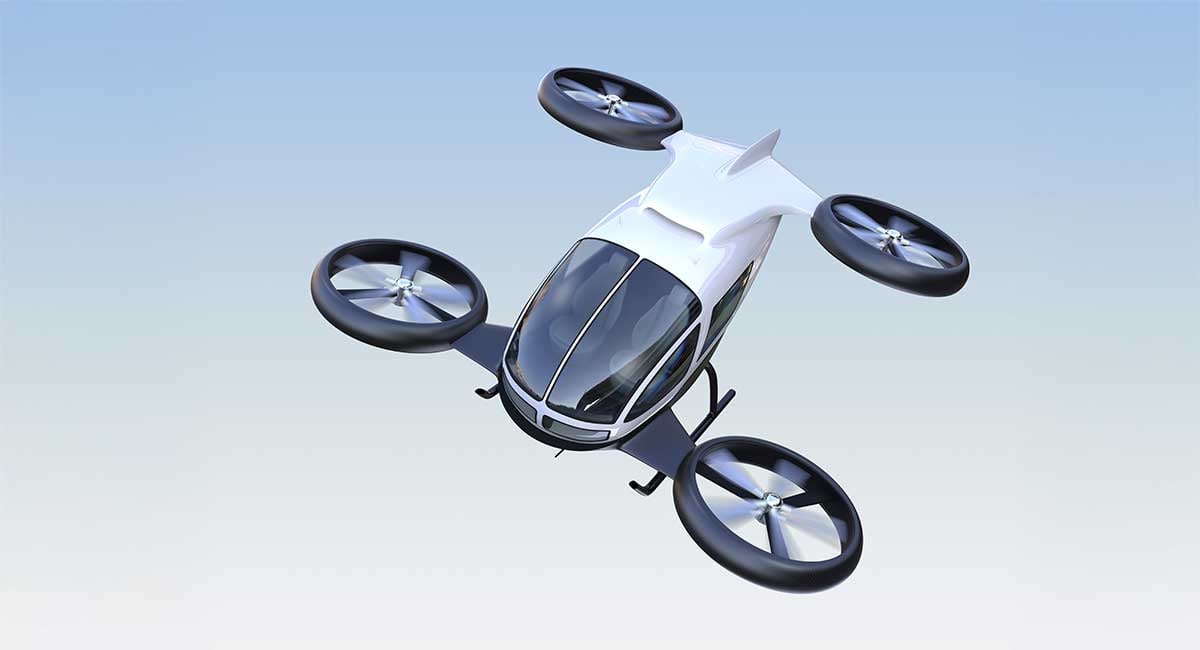
The accident involved AeroHT’s flying car prototype, an electric vertical take-off and landing (eVTOL) vehicle designed for both road and air use. Unlike conventional small aircraft, the vehicle can switch between driving mode and flight mode, making it a hybrid solution for congested urban environments. The company has positioned it as a future commuting option, priced at around $300,000 (£220,000).
Xpeng claimed earlier this year that it had already received approximately 3,000 pre-orders for the vehicle, signalling strong consumer interest in advanced personal mobility. The vehicle is designed to carry two passengers, lift off vertically like a drone, and transition into forward flight for short- to medium-distance travel.
The crash comes at a critical moment for AeroHT. The subsidiary was established to spearhead Xpeng’s ambitions in the aerial mobility market, where it faced competition from other Chinese firms, as well as international rivals such as Joby Aviation in the US and Lilium in Germany. With China pushing heavily into next-generation transport, AeroHT had become a prominent player, supported by Xpeng’s position as one of the country’s largest electric vehicle manufacturers.
The accident highlights the technical and regulatory challenges facing flying cars. eVTOLs required advanced battery systems to balance power with weight, along with sophisticated software to ensure stability and safety in urban environments. Collision-avoidance technology, air traffic management, and integration into existing transport infrastructure remain ongoing hurdles before mass adoption.
Despite the incident, industry watchers noted that setbacks were not uncommon during the early stages of aviation development. AeroHT had previously demonstrated successful test flights, emphasising the potential for flying cars to reduce urban congestion and provide new mobility options in megacities.
The Changchun Air Show, scheduled to open later this week, was intended to showcase China’s latest aerospace technologies, including drones, eVTOLs, and next-generation military aircraft.