











“I have seen the engine grow from an idea in my father’s head to a piece of machinery,” says 34-year-old Michael Dearman, head of development at the company named after his father, now 64.
Liquid nitrogen engines have been a goal since nitrogen was first liquefied in the 1880s, but progress was slowed by the challenges of building engines to use fuel at -196°C – nitrogen’s boiling point. Dearman says his company now found a niche for its tech by using his father’s engine to deliver cold and power at the same time.
The engine produces power like a petrol engine, with liquid nitrogen expanding to drive a single piston. Before the nitrogen gets to the engine, however, it has absorbed the heat of the refrigerated compartment through a heat exchanger. This latent heat changes the nitrogen into a gas without any increase in temperature. It is then injected into the cylinder to mix with a water-glycol fluid, which enables the gas to expand at a consistent and efficient rate, a feat previous attempts at liquid nitrogen engines have struggled with.
The company has teamed up with transport refrigeration suppliers Hubbard Products to develop the engine in preparation for a larger trial – potentially with a supermarket – in the spring. But does it matter that Dearman’s vision is powering fridges, not cars?
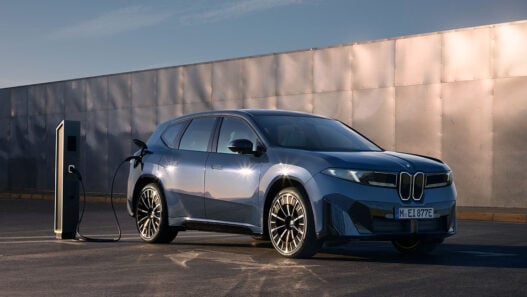
“My dad did run a car using a Dearman engine,” says Michael. “Just because it works in principal doesn’t mean it’s the best use for a technology.”