



IoT-enabled hardware – including communication modules, Edge artificial intelligence (AI) processors, and advanced sensors – provides actionable insights into grid performance, allowing operators to detect and address issues before they escalate into failures. For design engineers, the challenge lies in developing scalable and secure devices that can function in high-noise environments while ensuring minimal data latency.
The need for intelligent monitoring
Modern power grids face numerous challenges, including demand fluctuations, instability, and cybersecurity threats. The rise of distributed energy resources (DERs), such as solar panels and battery storage systems, has introduced unpredictable supply and demand dynamics. Voltage fluctuations and frequency imbalances can cause disruptions, necessitating real-time adjustments. Moreover, increased connectivity brings new vulnerabilities, requiring robust security measures to protect against cyberattacks. Integrating variable renewable energy sources such as wind and solar further complicates grid stability, requiring sophisticated management systems that can quickly adapt to fluctuating power generation.
Real-time data collection and analysis enable grid operators to enhance reliability and efficiency. Smart sensors and IoT-enabled communication systems can detect abnormalities, predict failures, and facilitate demand response strategies. By leveraging machine learning and AI-powered algorithms, grid monitoring systems can analyse historical and real-time data to forecast consumption trends and optimise power distribution. Using IoT technology, energy providers can transition from reactive to proactive grid management, reducing costly downtime and improving overall system resilience (main image).
Intelligent monitoring improves efficiency and plays a crucial role in enhancing grid security. Cyber threats targeting critical infrastructure are a growing concern, and IoT-enabled solutions offer real-time threat detection and mitigation. By deploying encrypted communication protocols, anomaly detection, and AI-driven security measures, grid operators can prevent unauthorised access and ensure data integrity. Additionally, IoT-driven automation allows operators to respond swiftly to unexpected faults, reducing the impact of blackouts and ensuring grid stability.
Design considerations for engineers
Developing IoT hardware for power grid monitoring presents several technical challenges that require careful consideration. Electrical substations and transmission networks generate significant electromagnetic interference (EMI), which can disrupt IoT devices. Engineers must implement robust shielding techniques, advanced filtering algorithms, and noise-resistant communication protocols to ensure reliable data transmission in these high-noise environments. Hardware solutions must be ruggedised to withstand extreme weather conditions, temperature fluctuations, and potential physical tampering, especially in remote and unsecured areas.
In addition to these environmental factors, power efficiency is a crucial element. Grid-monitoring devices often operate in remote locations with limited power availability, making it necessary to design energy-efficient hardware with ultra-low-power microcontrollers, optimised power management systems, and energy harvesting capabilities to extend operational lifetimes. Engineers must consider integrating battery-backed power supplies or solar-based energy sources to sustain operations during extended outages or low-power conditions.
Scalability is another key factor in IoT device design. Grid infrastructure is continuously expanding, and monitoring solutions must accommodate this growth. Open-standard protocols and modular architectures facilitate interoperability between existing and future technologies, ensuring seamless integration across diverse grid environments. Engineers must design flexible systems that can handle increasing data volumes and allow for easy firmware updates, remote diagnostics, and performance optimisation without requiring extensive hardware replacements.
Furthermore, interoperability is critical given the fragmented ecosystem of legacy and modern systems within the power grid. Engineers should look to prioritise industry-standard communication protocols such as MQTT, OPC UA, and IEC 61850 to ensure seamless data exchange across various devices and platforms. Security is also a paramount concern in power grid applications. Implementing end-to-end encryption, secure boot mechanisms, and anomaly detection algorithms can help mitigate cybersecurity risks, protecting critical infrastructure from potential attacks. Ensuring compliance with evolving cybersecurity regulations and industry best practices is essential for safeguarding grid infrastructure.
Another vital aspect is minimising data latency. Grid operations require real-time data processing to enable immediate decision-making. Implementing edge AI processing capabilities reduces reliance on cloud computing, thereby enhancing response times. AI-driven analytics allow IoT devices to identify patterns in energy consumption, predict failures, and optimise demand-response strategies without incurring the delays associated with remote data centres. Low-latency computing is particularly crucial in frequency regulation, voltage stabilisation, and real-time fault detection, where rapid response is necessary to maintain grid stability.
Key IoT technologies for grid monitoring
Engineers developing IoT-enabled power grid monitoring solutions can leverage various technologies to create robust and reliable systems. Communication modules play a vital role in ensuring secure and reliable data transmission.
Low-power wide-area network (LPWAN) technology enables long-range, low-power communication, making it ideal for remote monitoring applications. For scenarios that demand ultra-low latency and high data throughput, 5G networks offer significant advantages, including support for real-time analytics. Some applications may require proprietary communication protocols tailored to specific performance and security needs, delivering customised solutions that enhance system reliability.
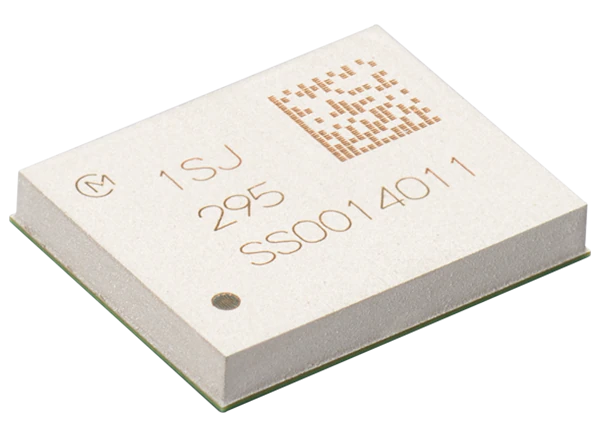
Figure 2. The Murata Type 1SJ LoRaWAN Module delivers compact, low-power LPWAN connectivity, enabling reliable long-range communication for smart grid monitoring and IoT applications. (Source: Mouser Electronics)
A prime example of an effective communication solution is the Murata Type 1SJ LoRaWAN module (Figure 2). This module provides compact and power-efficient LPWAN connectivity, making it an ideal choice for grid monitoring applications. The module features a high sensitivity of -137dBm with output power up to +22dBm and supports operation in the 868 and 915MHz ISM bands, ensuring reliable long-range communication. Designed for energy-efficient applications, the Murata Type 1SJ enables extended battery life, making it particularly suitable for remote grid monitoring installations where power constraints exist.
Beyond communication modules, Edge AI processors and control electronics play an essential role in grid monitoring, enabling real-time analytics and decision-making at the source. Anomaly detection capabilities allow these systems to identify grid disturbances and potential equipment failures before they escalate, reducing downtime and preventing costly damage. Predictive maintenance features analyse sensor data to anticipate component failures, thereby optimising maintenance schedules and extending equipment lifespan. Additionally, AI-powered data compression reduces bandwidth requirements, allowing remote monitoring systems to transmit only essential information, conserving resources while maintaining efficiency.
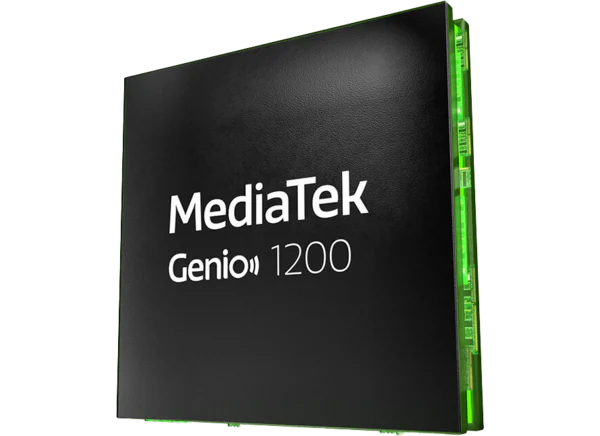
Figure 3. MediaTek Genio 1200 is a flagship-grade SoC designed with cutting-edge 6nm technology. (Source: Mouser Electronics)
The MediaTek Genio 1200 IoT AI system-on-chip (SoC) (Figure 3) is a good product to highlight in this category, offering powerful AI capabilities for Edge computing applications. This technology enhances grid monitoring by enabling intelligent data processing at the source to minimise latency and improve overall system responsiveness. AI-enabled grid monitoring solutions can also integrate advanced machine learning models to improve demand forecasting, optimise load balancing, and support self-healing networks that automatically reroute power in case of outages.
Another emerging technology in smart grid monitoring is digital twin simulations. By leveraging IoT data and AI-powered modelling, utilities can create virtual replicas of the power grid to simulate different scenarios, test new configurations, and optimise performance before implementing changes in real-world environments. Digital twin technology enables operators to detect inefficiencies, predict equipment failures, and evaluate the impact of renewable energy integration with unprecedented accuracy.
Conclusion
The increasing complexity of power grids demands intelligent monitoring solutions that leverage IoT-enabled hardware. Design engineers are crucial in developing scalable, secure, and efficient monitoring systems that can withstand extreme conditions
and process data with minimal latency. By integrating advanced communication modules, Edge AI processors, and secure IoT devices, engineers can help shape the future of energy management.
As investments in smart grid infrastructure continue to grow, adopting cutting-edge IoT technologies will be instrumental in building a more resilient and intelligent power grid. These advancements enhance the efficiency of energy distribution and ensure the stability and security of critical infrastructure. Through innovation and strategic design, engineers can contribute to a smarter, more sustainable power grid that meets the evolving demands of the modern energy landscape.