




Understanding the hologram
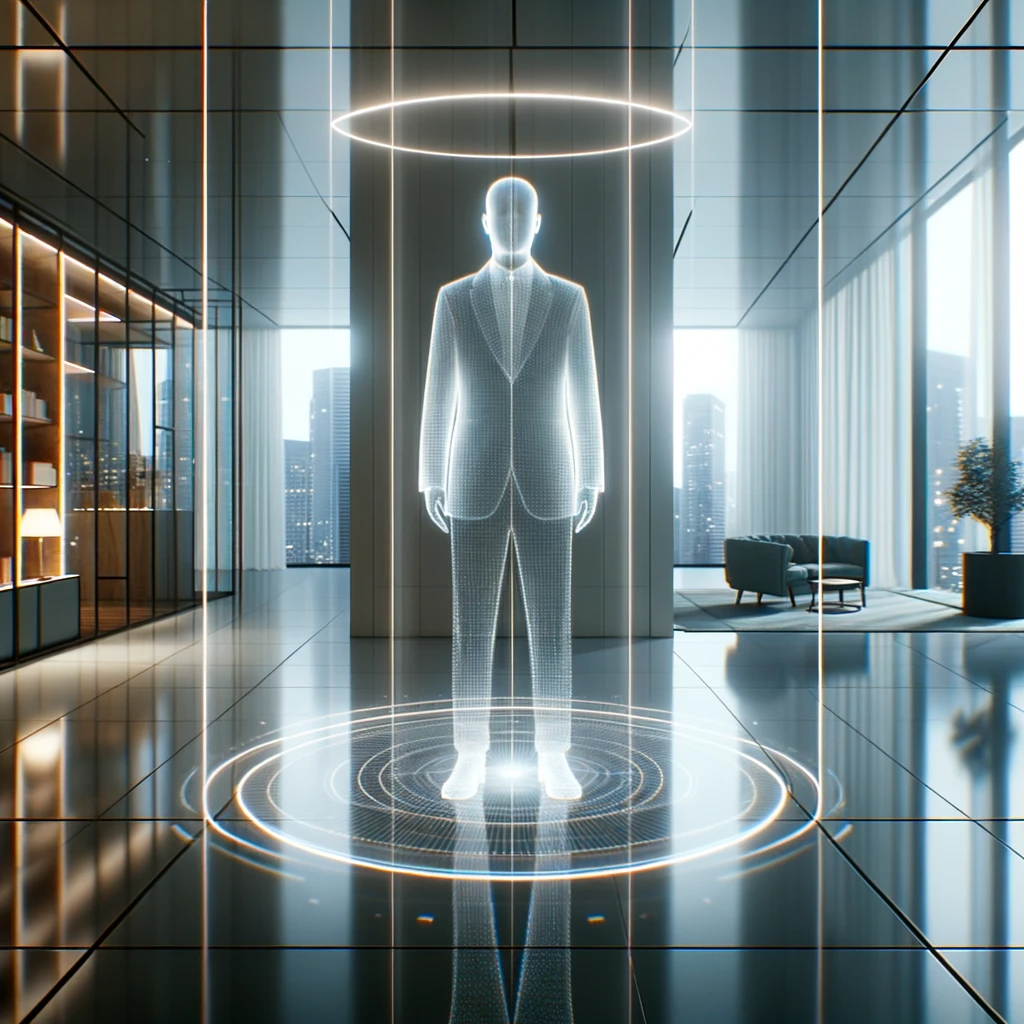
At its core, a hologram is a three-dimensional image formed by the interference of light beams from a laser or other coherent light source. Unlike traditional displays, it doesn’t rely on a physical medium like a screen. Instead, it projects light into space, creating an image that appears to float.
Applications in the electronics industry
Holography has various applications in the electronics sector:
- Communication: Video conferencing can be transformed with the introduction of holographic displays, making remote conversations feel more lifelike and immersive
- Medical imaging: Medical professionals can now view intricate three-dimensional images of internal structures, aiding in diagnostics and surgical planning
- Entertainment: The entertainment industry, especially gaming, stands to benefit immensely. Gamers can experience a more immersive environment, with characters and scenes seemingly jumping out of the screen
- Automotive: Holographic heads-up displays (HUDs) can project vital information onto car windshields, providing drivers with essential data without diverting their gaze from the road.
Challenges ahead
While the potential of holography is undeniable, the technology faces several challenges. The energy consumption of holographic displays is currently higher than traditional displays. Additionally, the need for coherent light sources, such as lasers, adds to the complexity and cost of the systems.
Furthermore, the industry must address concerns regarding the safety of prolonged exposure to holograms, particularly in applications where users might interact with holographic content for extended periods.
As the technology matures and overcomes its current challenges, it promises to reshape how we interact with electronic devices and digital content.