







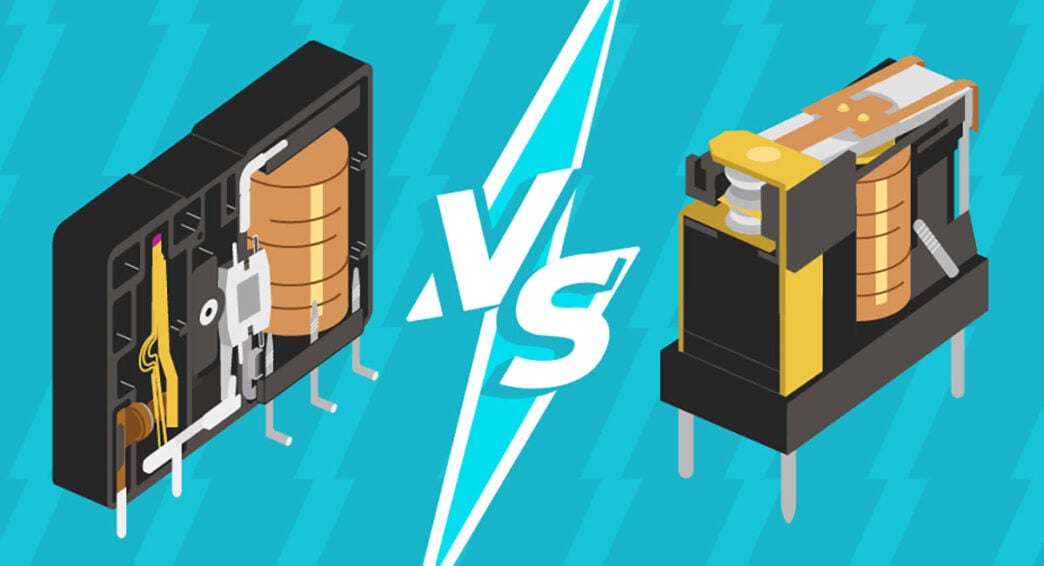
Latching and non-latching relays each bring unique advantages depending on system requirements.
From reducing standby power draw to simplifying switching logic, understanding how these relay types behave under different operating conditions is essential when designing industrial controls, automation systems, and battery-powered electronics.
The Same Sky blog post, Non-Latching vs. Latching Relays: What’s the Difference?, breaks down the functional differences between latching and non-latching relay technologies, including how they maintain state, consume power, and respond to control signals.
The article also highlights common use cases and design tradeoffs engineers should consider during component selection.