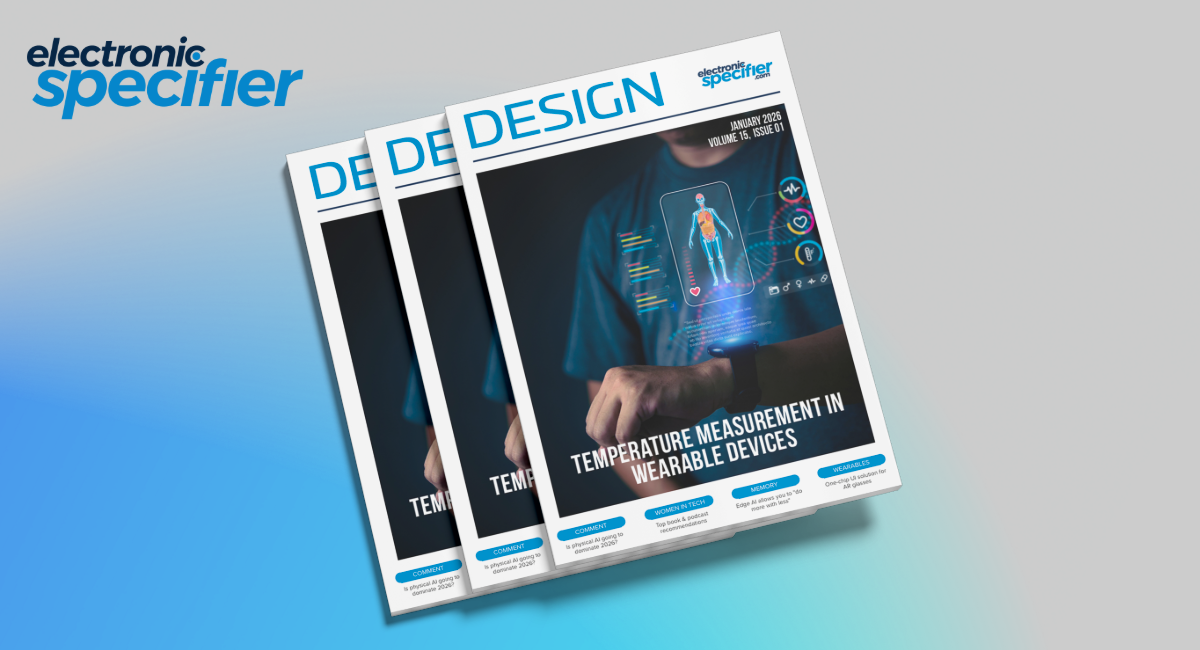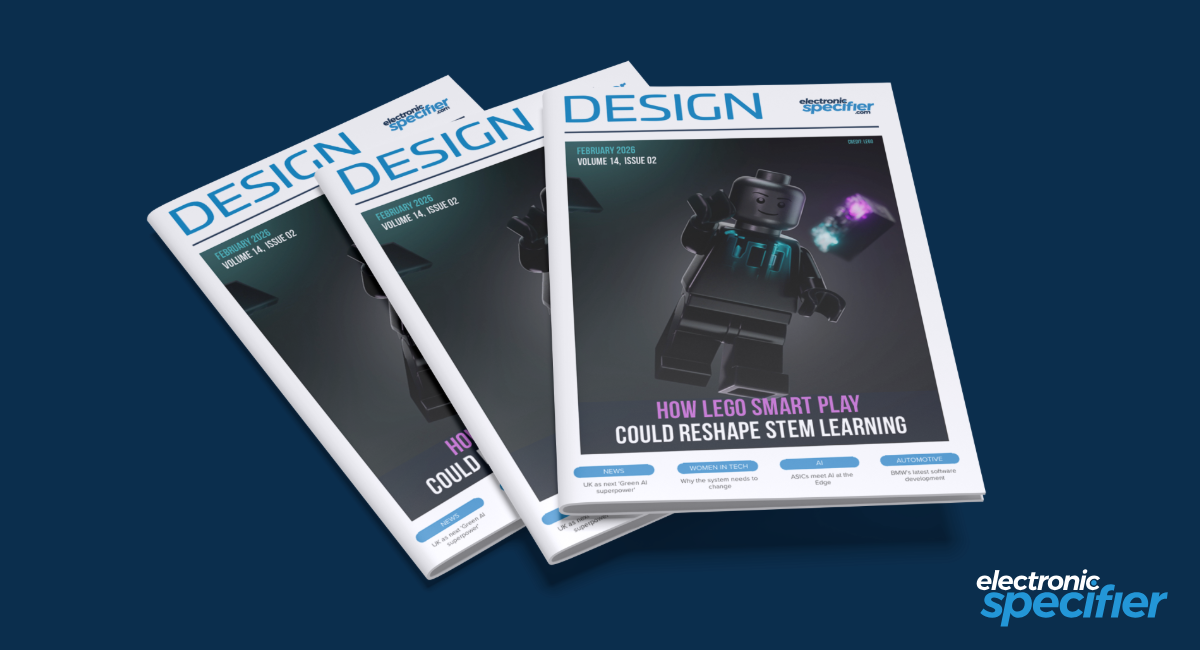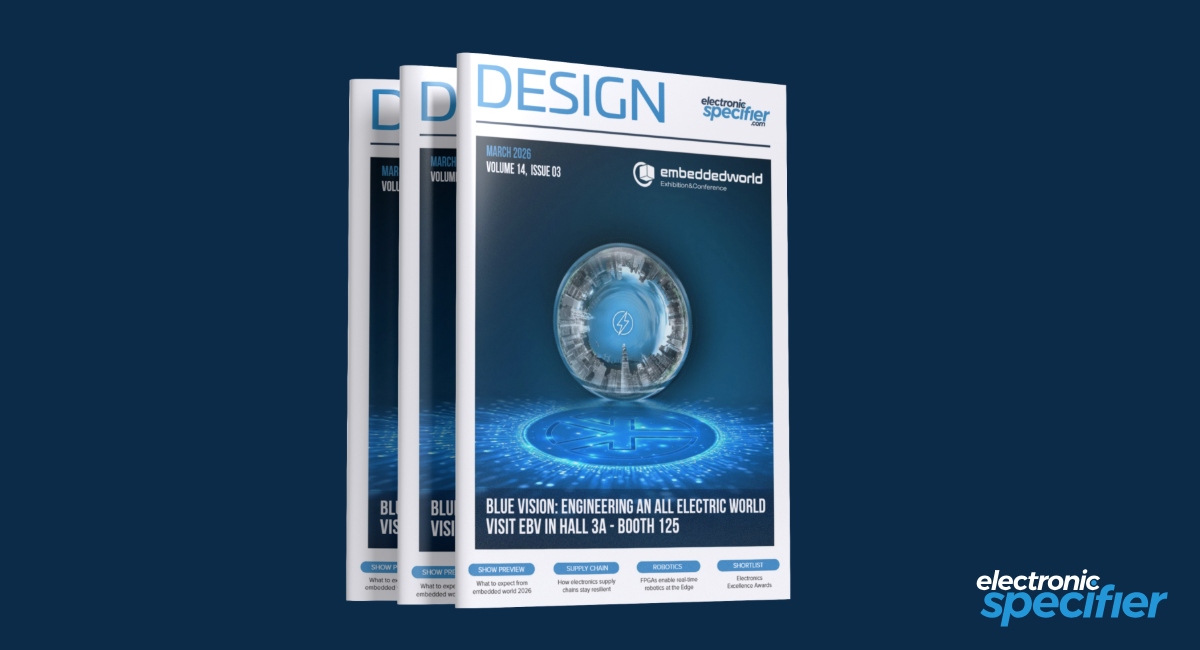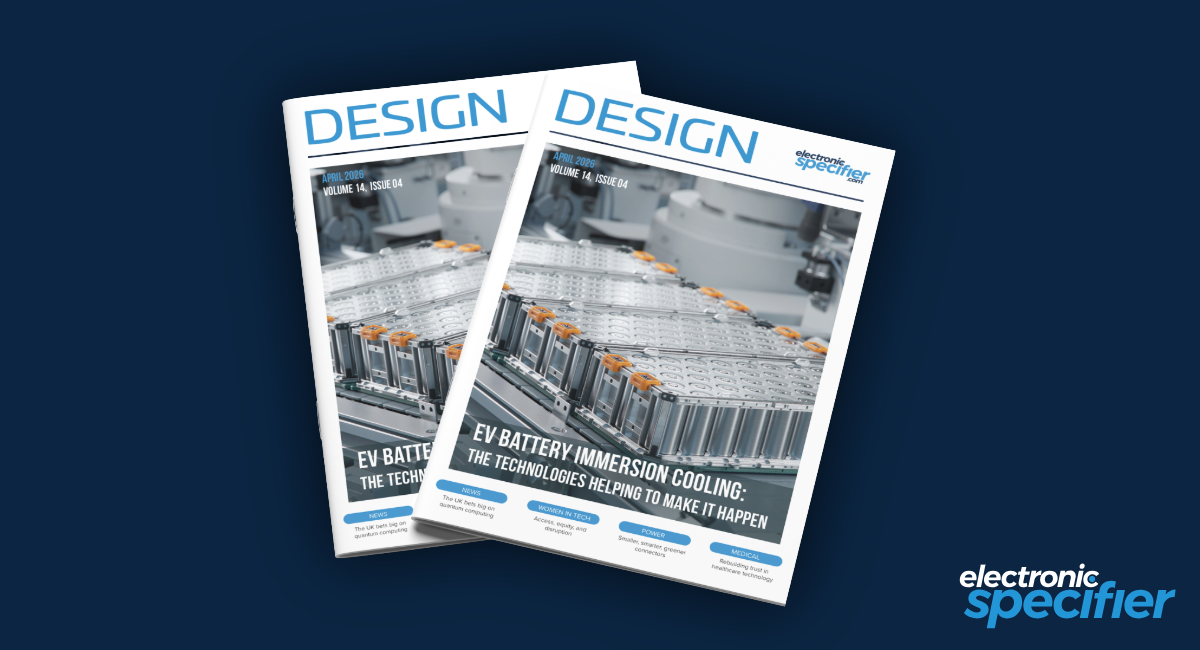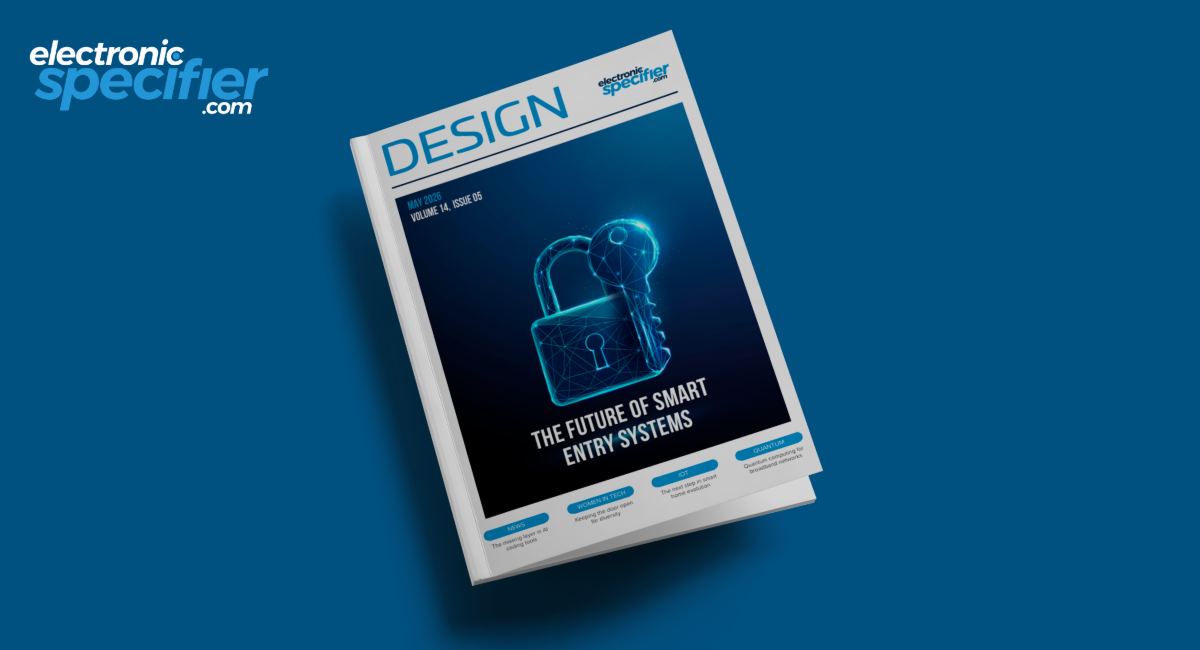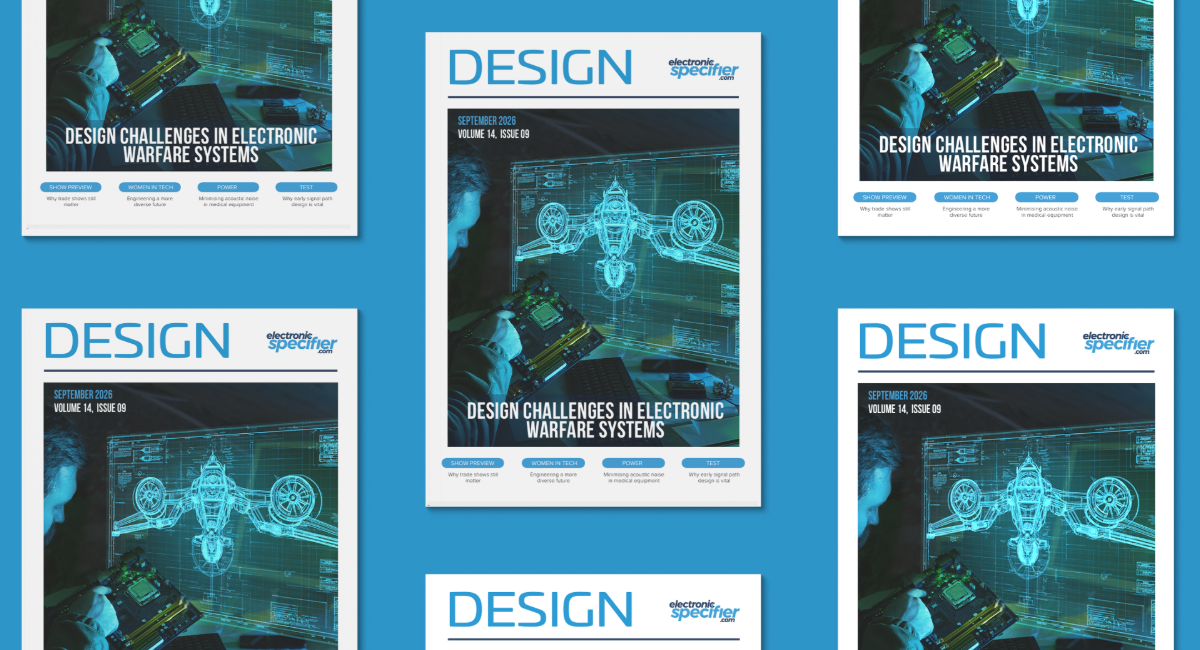



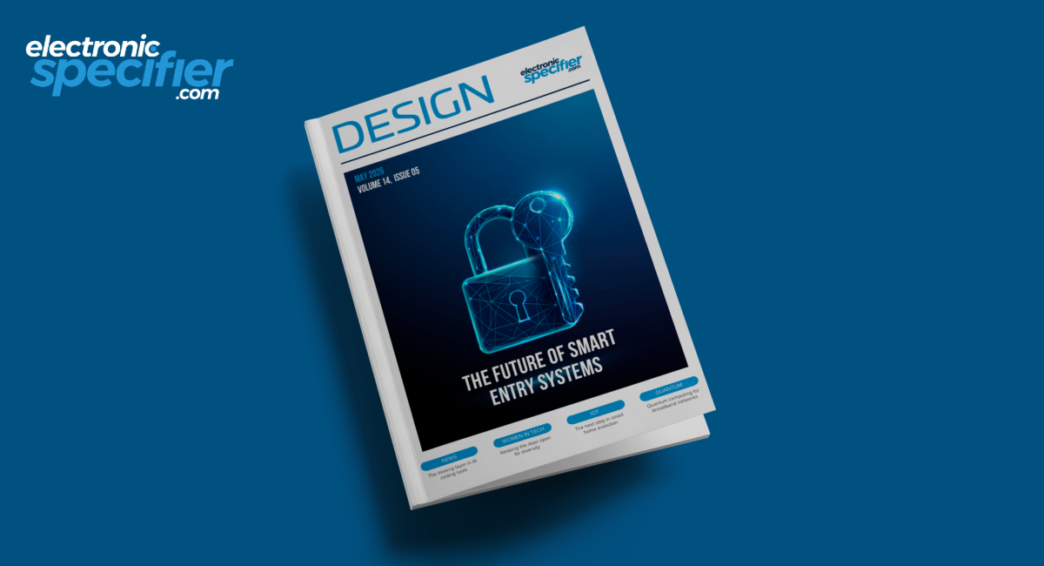
Electronic Specifier is pleased to announce the release of its May issue, an edition addressing some of the most exciting developments currently facing the electronics and technology sectors.
Spanning artificial intelligence, semiconductor innovation, power electronics, the Internet of Things, and quantum computing, this issue brings together expert analysis, industry perspectives, and technical insight to inform professionals across the design and engineering community.
The issue opens with an editorial comment examining the UK’s strategic position within the global artificial intelligence landscape. As policymakers and industry leaders seek to establish coherent AI frameworks, this piece considers where British expertise and infrastructure can most effectively contribute – and what is at stake should the opportunity be insufficiently addressed.
This is complemented by the STEM Spotlight column, which examines the role of artificial intelligence in supporting early-career professionals. Rather than framing AI as a displacement risk, the feature presents evidence that these technologies may serve to lower barriers to entry and extend access to advanced design capabilities – a perspective of considerable importance to the industry’s long-term talent pipeline.
The Women in Tech feature addresses the ongoing challenge of sustaining diversity within the electronics sector. As demand for skilled engineers intensifies, the article explores the structural and cultural factors that determine whether the profession remains accessible to underrepresented groups, and what organisations can do to effect meaningful change.
This issue offers substantive coverage across several core engineering disciplines. In the power electronics space, a dedicated feature reconsiders established approaches to high-voltage resistive division, presenting a case for rethinking assumptions that have long underpinned circuit design practice.
A Q&A with Adeia examines the thermal challenges that now represent one of the most pressing constraints in semiconductor development. The discussion covers both the technical dimensions of the problem and the approaches being developed to address them at scale.
The Obsolescence column, contributed by Rochester Electronics, turns its attention to the preservation of legacy systems – an area of growing strategic importance for industries in which long-established components remain integral to critical infrastructure and cannot simply be substituted with modern equivalents.
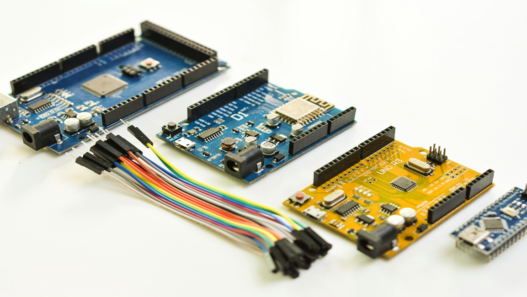
The May issue also dedicates considerable editorial space to the Internet of Things, presenting three distinct features that together offer a broad view of the sector’s current trajectory. The first addresses how wireless MCU modules can accelerate IoT deployment. The second examines the precision and security requirements underpinning next-generation smart entry systems. The third considers whether smart circuit breakers represent the next meaningful advance in connected building technology – and what technical and commercial conditions would need to be met for that transition to occur.
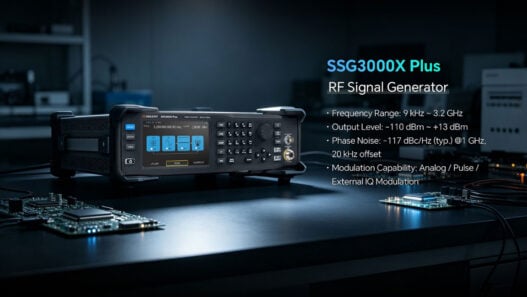
The Test and Measurement section presents an overview of current developments in the field, while a forward-looking feature on quantum computing explores its potential implications for future broadband network architecture – a relationship between disciplines that is beginning to attract serious attention from researchers and industry alike.
Read the May issue below: