






In this article, Jamal Hagi, RF Expert and Engineer at PEI-Genesis explains how to spot fake or cloned LMR components, and why choosing an authorised distributor is the best method for defence.
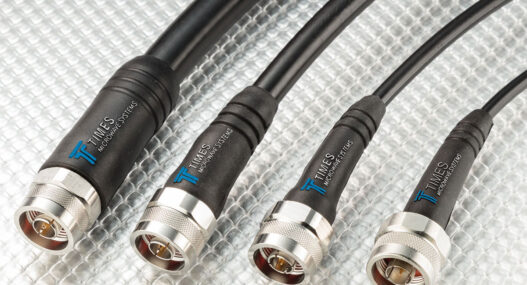
Since their release 30 years ago, LMR cables have served as a reliable and efficient alternative to stiff traditional RG coaxial cables. Their superior attenuation rate of 3.9 decibels (dB) per 100 feet, 3.6dB less than alternative cable solutions, is what defines the cable’s popularity, especially in applications where signal integrity is crucial like military communications.
Yet as their popularity has grown, so has circulation of cloned or counterfeit LMR products. While these fake products may appear to be better value, they fail to meet critical safety or performance standards.
Take low-smoke cables, for example. Low grade plastic in counterfeit cables struggles to withstand real-world conditions, unlike composites in the genuine product. Therefore, they fail standards like UL 1581 for dielectric strength or IEC 61196 for mechanical and electrical reliability, potentially releasing harmful gases or failing during use.
Failures in the field
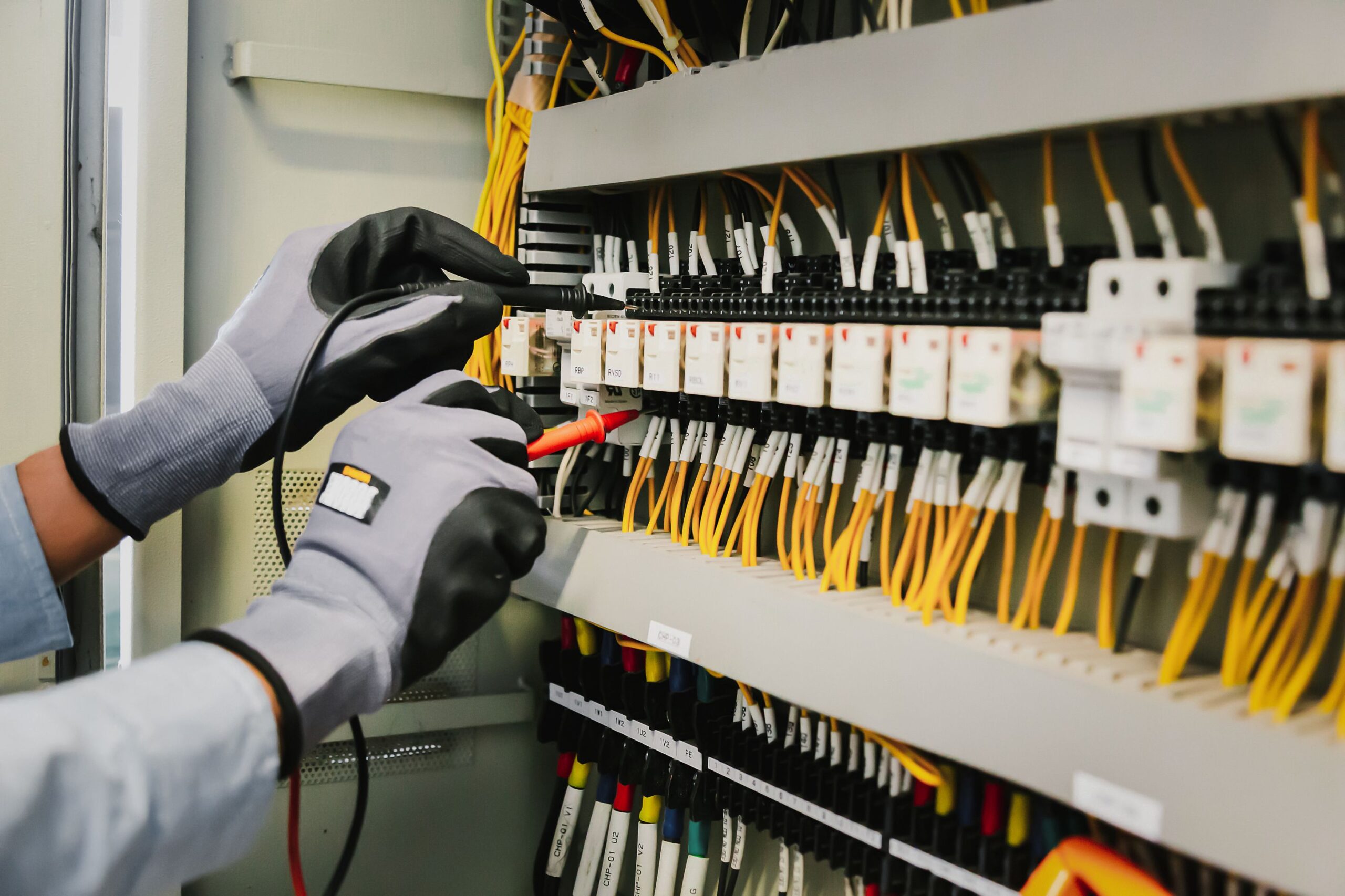
Faults in counterfeit LMR cables are not always visible at installation, instead they emerge quickly once deployed. One common issue is jacket deterioration, where the outer layer begins to crack and degrade prematurely under exposure to UV. This leaves the cable exposed to water ingress, with moisture tracking along the braid and down toward the centre conductor. Over time, this process leads to cracking in the outer conductor tape and corrosion around the core.
Another serious issue is the breakdown of the dielectric material. When made from inferior compounds, the dielectric doesn’t hold up under prolonged use and begins to lose its insulating properties. This leads to fluctuating impedance and a gradual loss of signal integrity. Electrical instability in fake products can also occur due to poor dimensional tolerance of the dielectric, degrading signal transmission in mission-critical systems.
Counterfeit components are also costly for a business long term. The average cost difference between fake cables and genuine LMR is 25%. However, using counterfeit cables in a project could result in up to 75% loss in costs as the cable lacks longevity, and requires replacements after three years rather than 20+ for the genuine LMR.

How to verify your LMR cable
Spotting a fake cable isn’t always straightforward, particularly when clones are designed to look legitimate. One of the most important identifiers is the Times Microwave Systems branding. Every genuine LMR cable and its reel will be clearly marked with the company name and the registered trademark symbol following LMR®. Missing branding is an immediate red flag. Counterfeits may also display misleading language like ‘LMR alternative’ or ‘Equivalent to LMR’ to confuse buyers.
Buyers should look for four key indicators to verify their product. First, confirm that the Times Microwave Systems name is printed on both the cable jacket and reel. Second, check for the official Cage Code, which for Times Microwave is 68999. Third, verify the country of manufacture, all genuine LMR components are made in the United States. Finally, ensure that the LMR trademark is shown correctly with the registered symbol. If any of these are missing, the cable should be treated as suspect and investigated before installation.
Sourcing from trusted distributors
As an authorised distributor, PEI-Genesis ensures that every LMR product it supplies is genuine. In partnership with Times Microwave Systems, it offers the full range of low-loss, interference-resistant cables that meet stringent military and industry specifications.
Fake cables amount to losses far greater than replacements. It’s in downtime, safety risks, and compromised system performance. By taking the steps to verify a product, along with sourcing genuine LMR cables from trusted distributors, businesses can ensure they’re receiving the real deal, including high levels of durability and stable performance to last 20 years.

By Jamal Hagi, RF Expert and Engineer, PEI-Genesis