






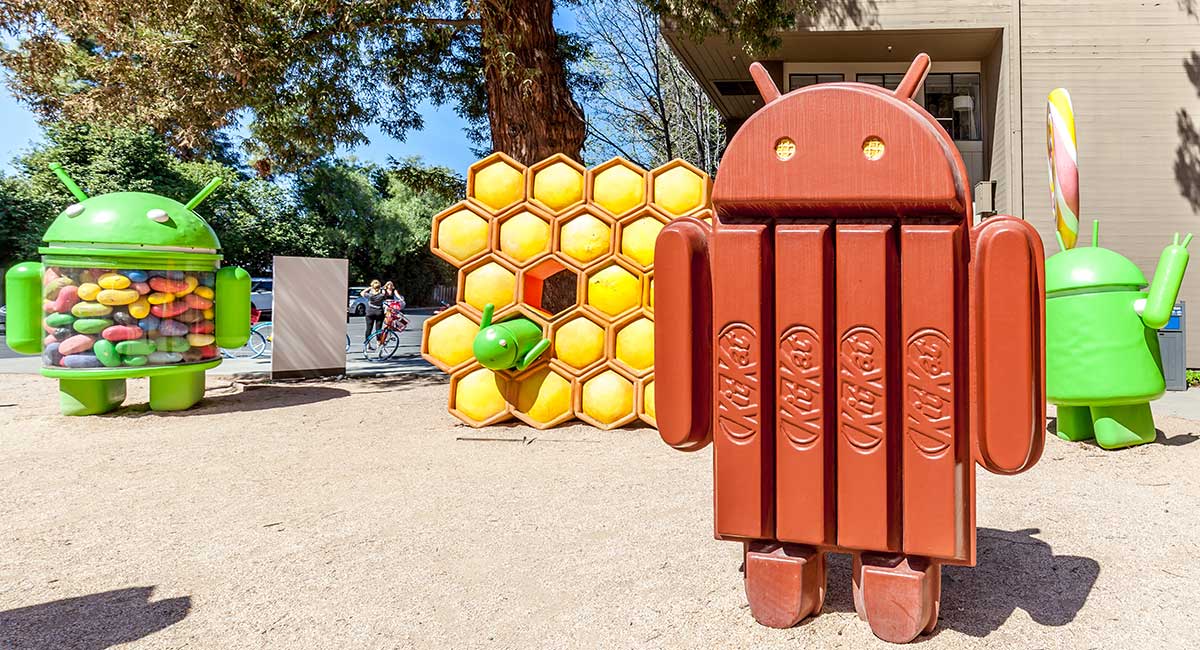
When Android 4.4 KitKat arrived in 2013, Google aimed to make the operating system run efficiently on devices with as little as 512MB of RAM. KitKat was the eleventh version of Android and remained widely used for years, particularly on entry-level devices. However, in 2023, Google Play Services support for KitKat ended. Its successor, Android 5.0 Lollipop, arrived in 2014 and introduced Material Design, setting the visual direction that would guide Android for the next decade. Since then, Google has continued to iterate through a long line of dessert-themed releases, with its latest version, Android 16, internally codenamed Baklava.
Android 16
Android 16 is, as the name suggests, the sixteenth major release of the operating system. It’s the fourth most common Android version and was introduced in 2025, initially for Google’s Pixel devices. Android 16 is built on the Linux 6.12 kernel, but some devices may use slightly different versions. For this device, manufacturers often adjust the kernel to work with their hardware or to make it easier to maintain over time, so not every phone runs the same underlying software. With the 16, rather than having a radical architectural shift, the focus is more on refinement, security updates, and performance consistency across a growing range of form factors.
Device rollout
Android 16 is available via over-the-air updates and factory images for supported Pixel smartphones and tablets, starting from the Pixel 6 generation onwards, including foldable devices and the Pixel Tablet. Google continues its policy of prioritising Pixel hardware, with other Android manufacturers expected to follow on their own schedules.
As with many major Android releases, some users have reported delays in receiving the update, particularly on newer Pixel models. These staggered rollouts are typical and are often linked to regional approvals, carrier testing, or last-minute bug fixes. Google has stated that Android 16 will continue to receive regular monthly security and stability updates across all supported Pixel devices.
Updated Material Design
One of the most visible changes in Android 16 is the evolution of Material Design. Originally introduced in 2014, Material Design brought grid-based layouts, responsive animations, and depth effects such as shadows and elevation to Android. While these principles remain, Android 16 introduced an updated interpretation, which is known as Material 3 Expressive.
Material 3 Expressive builds on existing design foundations while placing greater emphasis on motion, colour, and personalisation. Animations are more pronounced, transitions are smoother, and system-wide colour theming is more flexible, allowing interfaces to adapt more closely to user preferences. Google describes the update as being informed by behavioural research and accessibility studies, aiming to make interactions clearer without overwhelming the user.
Everyday improvements
Beyond design, Android 16 includes a range of incremental improvements intended to make daily use more consistent. These include refinements to notification handling, better background task management, and ongoing enhancements to privacy controls. While none of these changes fundamentally alter how Android works, they contribute to a more predictable and polished experience, particularly on larger screens and foldable devices.
Google’s mobile operating system has steadily evolved over the years to balance performance, usability, and visual identity as user experience demands evolve. However, given Google’s progressive release schedule, Android 17 will not be far off the mark – and word, according to Android Authority, has it that it’s codenamed ‘Cinnamon Bun’ – kick-starting the alphabetised dessert theme once more.