


The global test and measurement (T&M) market is on a rapid growth trajectory, expanding from $34.11 billion in 2024 to an estimated $43.95 billion by 2030.
This surge is fuelled by the increasing complexity of modern electronic systems across various sectors, including aerospace, defence, energy, transportation, and medical technology.
In these industries, failure is not an option; every component must function flawlessly under exacting conditions. Test benches, once regarded as supporting tools, are now pivotal to ensuring reliability, performance, and safety. As demands rise, the future of high-power test benches lies in full integration and automation.
From manual systems to integrated test environments
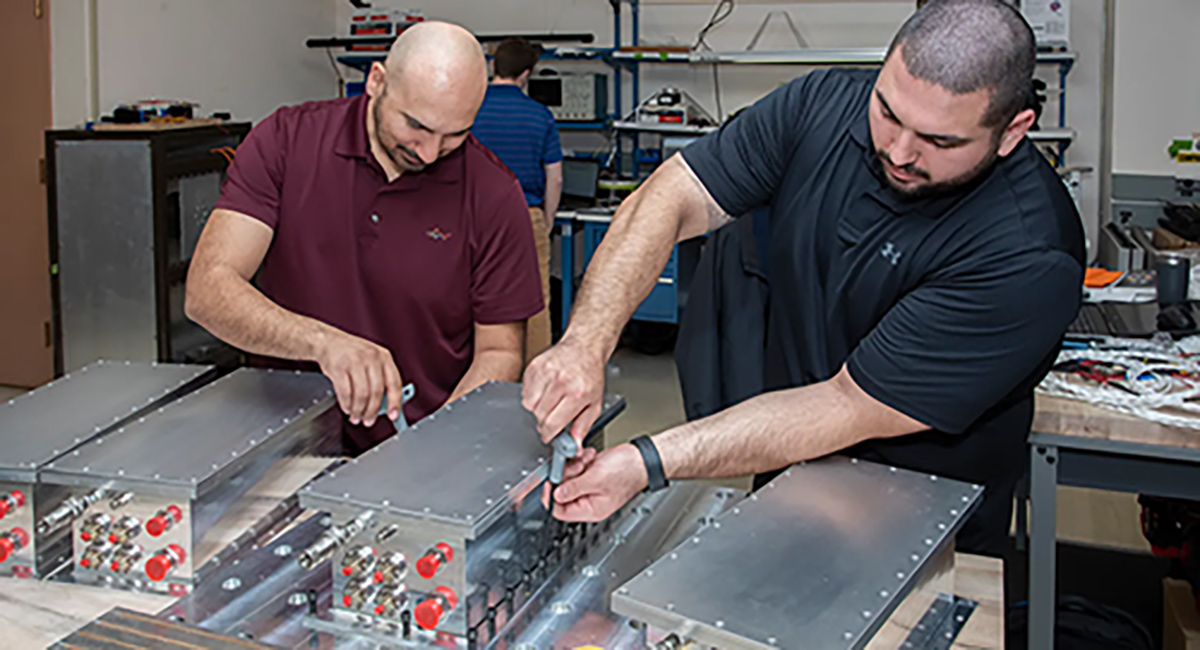
Historically, test benches were scattered collections of equipment, often requiring extensive manual setup and operator oversight. Early integrated systems in aerospace and defence introduced hardware-in-the-loop simulations, allowing for more realistic performance testing.
However, these setups still depended heavily on manual calibration and operator intervention, leading to inefficiencies and increasing the potential for human error.
Recent advances have redefined what test benches can achieve. Software-driven automation, modular architectures, and the ability to handle higher power levels now allow test environments to deliver unprecedented precision, repeatability, and efficiency. What once required hours of manual configuration can now be executed in minutes with seamless orchestration across instruments.
Industry-specific demands: precision under pressure
Each industry brings its own stringent testing requirements. Aerospace systems must endure extreme voltages, electromagnetic interference, and thermal cycles, all while meeting international safety certification standards. In the medical sector, devices like implantable pacemakers or imaging systems undergo rigorous safety and reliability checks, as even the slightest malfunction could endanger human lives.
Energy and transportation applications are equally demanding. High-voltage converters in renewable energy systems, and signalling systems in railways, must demonstrate robust performance under real-world operating conditions. Integrated test benches capable of managing these high-power scenarios are essential for validating equipment before it reaches deployment.
This convergence of needs across industries highlights a universal truth: as systems become more advanced, testing must not only keep pace but stay ahead, anticipating and addressing challenges that were once unimaginable.
Integrating high power and automation: a necessary convergence
Until recently, high-power capability and automation were rarely combined in test environments. High-power systems traditionally required bespoke setups, often limiting flexibility and scalability. Automation, on the other hand, was more commonly applied to low-power or laboratory-based testing environments. The merging of these two capabilities marks a turning point for the industry.
Modern test benches now integrate high-voltage and high-current power supplies with advanced automation software. Engineers can simulate extreme operational conditions, collect and analyse data in real-time, and dynamically adjust test parameters. This level of integration delivers not only greater accuracy, but also the repeatability necessary for scaling production and ensuring consistent quality. The shift also reduces operator dependency.
Automated processes minimise the risks of error, ensure compliance with regulatory frameworks, and improve throughput. In fast-moving markets where speed to market can determine success, automation in high-power testing is no longer a nice-to-have; it is a necessity.
Challenges ahead: complexity, skills, and collaboration
Despite the clear benefits, building and deploying fully integrated, automated high-power test benches is not without its challenges. System complexity is a major hurdle. Bringing together diverse components, from RF (radio frequency) and microwave devices to satellite communication links and high-reliability (HiRel) electronics, requires specialised knowledge across multiple disciplines.
Another challenge lies in skills. Engineers must be proficient not only in electronics and power systems, but also in automation software, data analytics, and compliance standards. Bridging this skills gap is essential if organisations are to make full use of next-generation test benches.
Collaboration will also be key. Manufacturers, system integrators, and end-users must work closely to design test solutions tailored to specific requirements. Here, the role of expert technical partners becomes invaluable. By providing insights into component selection, system design, and lifecycle support, such partners help organisations overcome the complexity of integration and achieve reliable outcomes.
Leveraging deep expertise across domains
Meeting these challenges requires a blend of technical breadth and industry-specific experience. Expertise in RF and microwave components, for example, is critical for test benches that must handle low-noise, high-frequency signals, such as those found in aerospace radar or medical imaging. Similarly, knowledge of satellite communications plays a role in designing test setups for systems that depend on reliable data transmission and control under remote or extreme conditions.
High-reliability and space-grade technologies further illustrate the importance of specialised know-how. Test benches serving aerospace, defence, or nuclear energy applications must validate systems designed for harsh environments, where failure is simply not an option. Integrating these standards into automated test setups ensures resilience and long-term reliability.
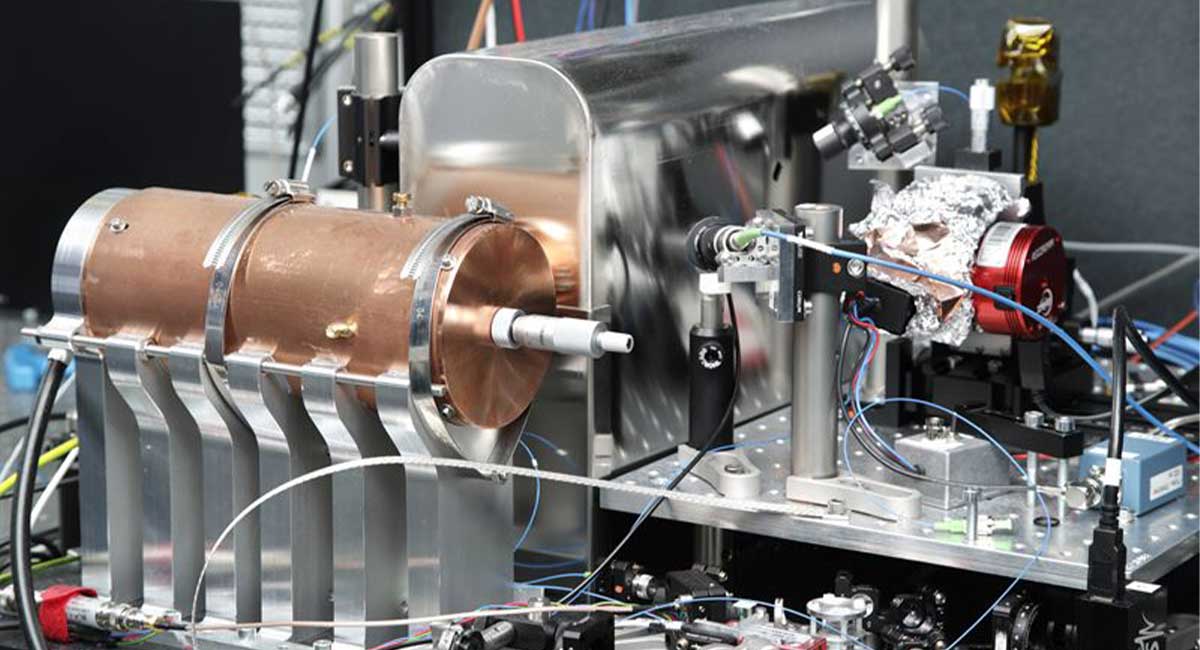
Scientific instrumentation also contributes to this landscape. Advanced scanning electron microscopy or non-contact imaging, for example, provides precision measurement capabilities that complement electrical and RF testing. By combining these diverse disciplines, modern test environments can capture a more comprehensive picture of system performance, delivering more thorough validation.
Building confidence across the product lifecycle
Beyond technical design, quality assurance is central to the evolution of test benches. Rigorous supplier validation, counterfeit detection, and compliance with international standards ensure that every component within a test setup meets the highest standards. Personalised training programmes also play an important role, equipping teams to operate and optimise complex test environments effectively.
When integrated with engineering services, from initial design studies to deployment, this lifecycle approach ensures that test benches are not only fit for purpose today but also adaptable to the challenges of tomorrow. Industries working at the cutting edge, whether developing next-generation satellites, renewable energy infrastructure, or medical technologies, benefit from having a trusted partner. One that can bridge component-level expertise with system-level integration.
The tipping point for test and measurement
The global testing and measurement industry stands at a tipping point. Demand is rising, complexity is increasing, and the stakes have never been higher. Fully integrated, automated high-power test benches are emerging as the cornerstone of reliable innovation. They provide the precision, efficiency, and repeatability required in industries where safety, performance, and resilience cannot be compromised.
Moving forward, success will depend on embracing this convergence of high power and automation while addressing the challenges of complexity and skills.
Collaboration between manufacturers, integrators, and expert partners will be crucial. By rethinking how we build the tools that test the tools, the industry can ensure that tomorrow’s critical systems are not just designed to perform but proven to endure.
By Jaafar Saied, Field Engineer Director, Testing and Measurement, Milexia France