


The Internet of Things (IoT) has become integral to modern life, connecting everything from smart homes and wearable devices to industrial systems and critical infrastructure. However, this massive expansion has made IoT a prime target for cyber threats. Early IoT devices often overlooked security, leaving gaps for exploitation. The landscape is markedly different today, featuring advanced technologies, evolving standards, and sophisticated strategies to safeguard devices and data.
This article explores the current state of IoT security, highlights recent advancements and standards, and examines how these technologies in unison to address the most common challenges.
IoT security today: building a resilient foundation
IoT security relies on a layered approach that combines hardware protections, standardised protocols, dynamic authentication, and emerging technologies to address the growing complexity of modern threats. At the core of this foundation are advancements in hardware security, standardised communication protocols, post-quantum encryption, and AI-powered Edge computing, all working together to create comprehensive and resilient protection.
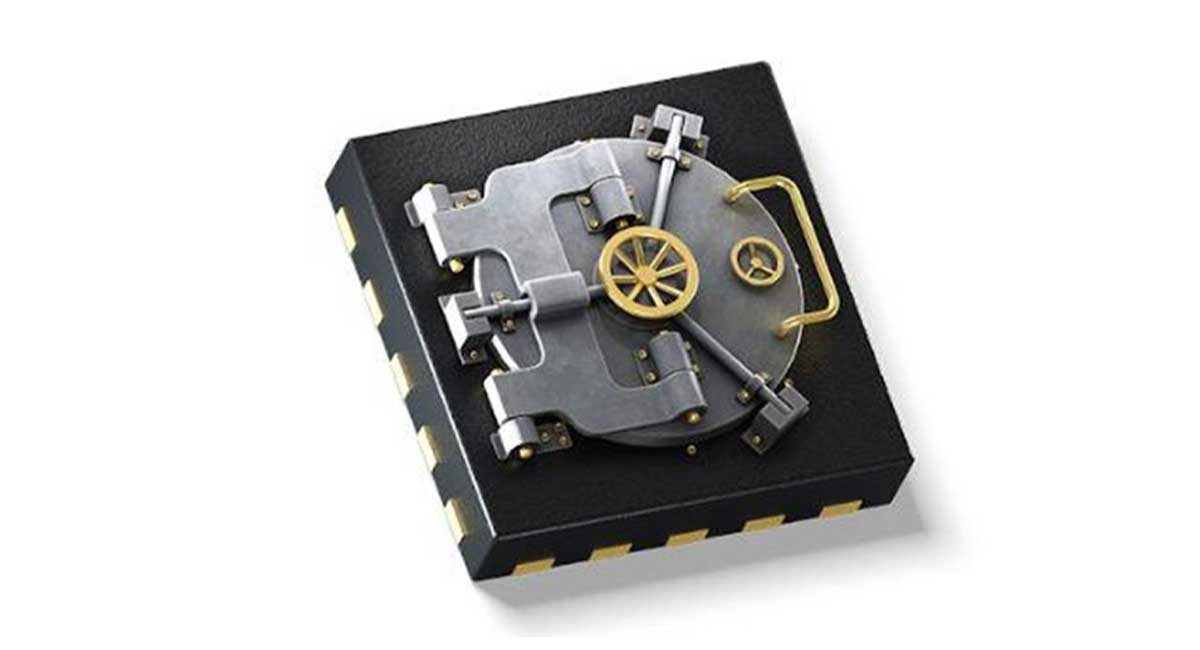
Hardware-based protections provide the first line of defence by anchoring security at the device level. Solutions like Silicon Labs’ Secure Vault integrate features such as tamper detection, encrypted key storage, and robust authentication mechanisms. These capabilities mitigate both physical and cyber threats, making Secure Vault particularly valuable in critical industries like healthcare, industrial automation, and smart infrastructure.
Complementing hardware security, standardised protocols ensure seamless communication while maintaining rigorous security requirements. The Matter protocol, developed by the Connectivity Standards Alliance (CSA), addresses the long standing challenge of balancing interoperability and security. Matter enables devices from different manufacturers to communicate securely and reliably, fostering compatibility while embedding encryption and authentication as core features.

To defend against modern cyber threats, dynamic authentication methods have replaced outdated static credentials like fixed passwords. Approaches such as zero trust authentication, rotating secret keys, and digital signatures introduce layers of robustness that make unauthorised access and private data compromise significantly more difficult. By enhancing device identity and access security, IoT systems are better equipped to counter increasingly sophisticated threats.
Recent advancements have further strengthened the IoT security landscape. With the evident progress in R&D of quantum computing, classical cryptographic algorithms face the possibility of obsolescence. In response, developers are beginning to incorporate post-quantum encryption algorithms, designed to better resist the potential computational acceleration of future quantum computing systems. This proactive measure improves the longevity of data security and futureproofs IoT devices against quantum-computing-accelerated crypto analytic threats.
At the same time, AI at the Edge has emerged as a powerful security tool. By enabling real-time anomaly detection and response, AI-powered Edge devices could analyse network activity and conditions locally. This not only minimises latency but also enhances security in remote or disconnected environments where Cloud access is limited.
Together, these advancements allow IoT security to achieve a layered defence in depth strategy that effectively addresses diverse threats. For example, in smart home applications, Secure Vault-enabled hubs establish secure communication channels with Matter-certified devices while Edge AI monitors for unusual activity such as RF jamming attempts, denial-of-service, spoofing or unauthorised access attempts. In high-stakes industries like healthcare, hardware protections ensure device integrity, post-quantum encryption safeguards sensitive patient data, and dynamic authentication limits access to authorised personnel only.
Looking ahead, IoT security will continue to evolve to meet future challenges. The adoption of quantum-resistant cryptography will be critical to counter the risks posed by quantum computing. Additionally, AI-driven predictive analytics will play a growing role in more rapidly identifying zero-day vulnerabilities and attack vectors, enabling proactive defences before threats materialise. Importantly, the industry will prioritise user-centric security solutions that integrate advanced protections without compromising ease of use, ensuring that both consumers and enterprises can implement robust security effortlessly.
Finally, the drive toward standardisation will play a pivotal role in shaping the future of IoT security. Collaborative efforts, such as the Matter protocol, set unified benchmarks for interoperability and trust, ensuring that all IoT devices meet rigorous security standards. By combining hardware innovations, dynamic zero trust authentication, quantum-safe encryption, and AI-driven threat detection technologies, the IoT ecosystem is building a secure and scalable foundation capable of withstanding today’s threats and tomorrow’s advancements.
Conclusion: towards a resilient IoT ecosystem
The progress made in IoT security over the past decade is impressive. From hardware-based protections like Secure Vault to the unifying force of the Matter protocol and the future-focused promise of post-quantum encryption, the industry has built a robust toolkit to address today’s challenges.
Yet, the journey is far from over. As the IoT ecosystem expands and cyber threats become more sophisticated, security must evolve in tandem. A layered approach will be essential for building a resilient IoT ecosystem by combining the strengths of different technologies, techniques, and standards.
The message for manufacturers, developers, and users is clear: IoT security is not optional but foundational. By prioritising security at every stage of development and implementation, the IoT industry can continue to innovate while safeguarding the trust, privacy, and safety of its users.
This article originally appeared in the November’25 magazine issue of Electronic Specifier Design – see ES’s Magazine Archives for more featured publications.