








Rochester explores how integrating sustainability and obsolescence planning into the product design
process can help industries extend lifecycles, reduce waste, and ensure long-term supply continuity.
In an ever-evolving technological landscape, balancing sustainability, durability, and obsolescence
management is crucial for creating products that not only meet current demands but also anticipate future needs and challenges. Product obsolescence, whether planned or inevitable, can disrupt this balance.
A sustainable approach to product design brings these elements together by anticipating future limitations, replacements, and recyclability.
Sustainable product design is a complex challenge that requires early collaboration, proactive planning, and a strong commitment to quality and durability.
In sectors where product lifespans stretch across decades, such as the industrial, medical, aerospace, and automotive industries, predicting component availability becomes especially difficult.
Building obsolescence and sustainability considerations into the design process from the start helps ensure these products can go the distance.
The durability of a product or system not only reduces waste but also improves long-term reliability and
ease of maintenance. Designing with modular components in mind makes it easier to upgrade or replace key parts, helping to extend product lifecycles while reducing cost and environmental impact.
With the right partnerships and forward-thinking strategies, it is possible to strike a balance between
performance and long-term sustainability. By engaging with partners like Rochester Electronics at
the concept stage, engineers gain early insight into component availability and lifecycle support.
Rochester’s long-standing collaboration with many of the world’s leading semiconductor manufacturers also helps keep original designs going by tapping into end-of-life (EOL) and obsolete finished goods inventory, licensed manufacturing, and authorised component replication. This approach supports product designs that are built to last and reduces unnecessary waste.
More than 10 billion of Rochester’s in-stock devices are classified as EOL by the original manufacturer
yet remain available directly from source. Rochester is well-positioned to support applications where the product lifecycle extends well beyond the standard market availability of a component. All parts are 100% authorised, fully traceable, and supplied directly from the original component manufacturers (OCMs), backed by the original warranties and guarantees.
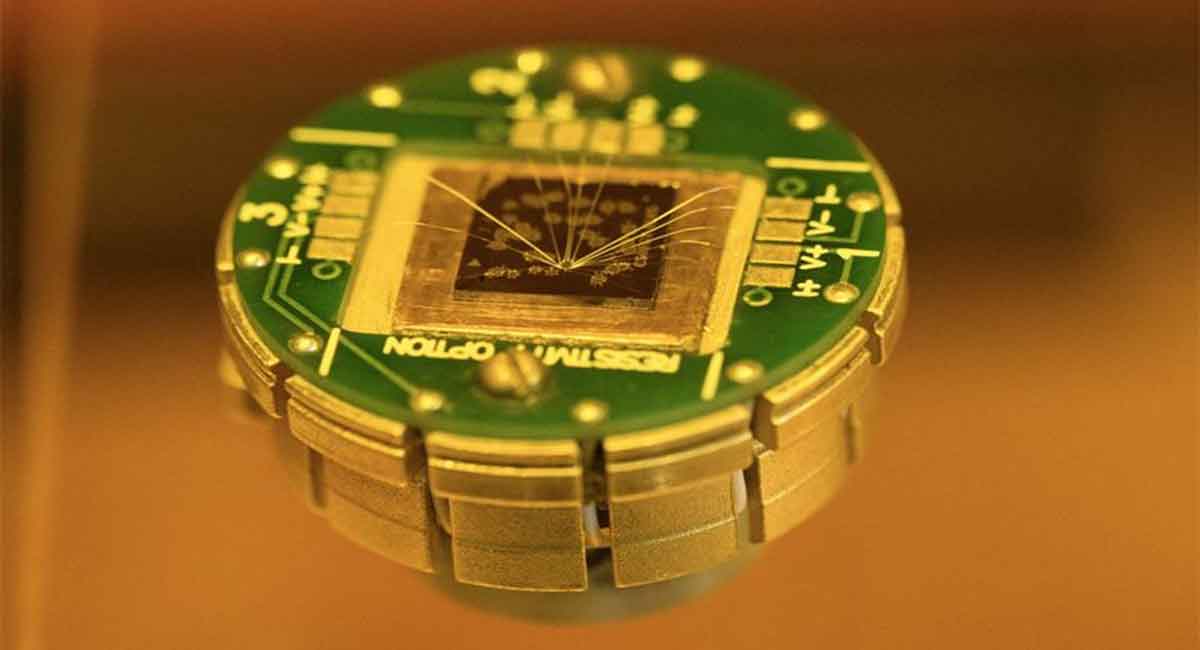
As a licensed semiconductor manufacturer, Rochester also offers ongoing production using information
and processes transferred directly from the OCM. This includes using the original manufacturer’s die,
fabrication methods, assembly solutions, and test protocols. The result is a certified and guaranteed
product that matches the original specification and is supplied under the original part number.
When it comes to obsolescence management, authenticity and quality matter more than ever. Working with trusted partners who can deliver genuine, high-quality components is essential to maintaining the
integrity of a design.
With partners like Rochester, sustainable product design is supported by a reliable and authorised source of long-term component supply.
You can’t make obsolescence obsolete. But by partnering with a company like Rochester Electronics,
you can be ready for it.
For more information: visit – www.rocelec.com
This article originally appeared in the August’25 magazine issue of Electronic Specifier Design – see ES’s Magazine Archives for more featured publications.