









Electronic design automation firm Pulsonix has launched version 14.0 of its PCB design platform, introducing an integrated simulation engine, enhanced 3D inspection tools, and a range of workflow improvements aimed at addressing the growing complexity of modern electronics systems.
The release marks one of the company’s most substantial updates in recent years. Pulsonix, owned by WestDev, has built its reputation on producing design tools for engineers.
At the core of Pulsonix 14.0 is PulsonixSim, a new embedded circuit simulator based on the open-source ngspice engine. The system allows engineers to run mixed-mode SPICE analyses — including transient, AC, DC, Monte Carlo, and noise simulations — directly within the schematic environment. Results can be displayed in full-screen graphs or as embedded plots within the design itself, removing the need for external tools or separate libraries.
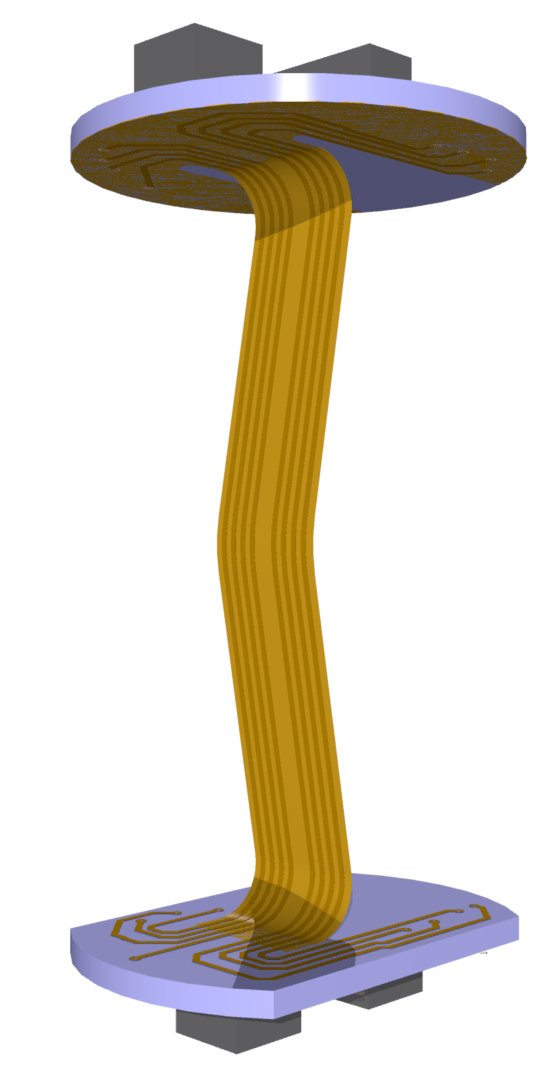
In mechanical-electrical integration, the software now supports a “lift-off” mode for Flexi bend regions, enabling flexible PCB sections to originate inside board boundaries rather than only at edges. A new 3D clipping plane feature allows users to selectively hide sections of a design to inspect internal layers or buried components along any axis.
Pulsonix has also expanded its comparison and documentation capabilities with an interactive HTML Bill of Materials (BOM) and new symbol and design revision comparison tools that can highlight differences between versions using graphical overlays.
Other refinements include a more flexible user interface with tear-off windows, dockable bars, and improved search and navigation functions, as well as a circular hatching style designed to reduce impedance variations during copper etching.
In one of the most significant technical updates, the company has replaced its legacy ActiveX automation system with a newly developed scripting framework. The new system offers faster execution, enhanced security, and access to a wider range of design objects, allowing engineers to automate processes and develop custom productivity scripts using modern programming languages.
The release also brings improvements to Vault integration and version control, including visual previews, alignment tools, definable permissions, and support for SPICE and formal model files.
“Version 14.0 represents our commitment to evolve Pulsonix in step with real user needs,” said Bob Williams, Marketing Director at Pulsonix. “By deepening simulation, enhancing 3D inspection, and refining workflows, we believe 14.0 gives engineers a more powerful, cohesive tool — helping them to confidently deliver complex, high-performance electronics designs.”