




German semiconductor maker Infineon Technologies and Japan’s ROHM have agreed to collaborate on packaging for silicon carbide (SiC) power semiconductors, in a move aimed at easing supply chain constraints and boosting adoption of the technology across electric vehicles, renewable energy, and data centre applications.
The companies signed a memorandum of understanding under which each will act as a second source for selected SiC device packages. Customers will be able to source compatible components from either supplier, reducing procurement risk and increasing design flexibility.
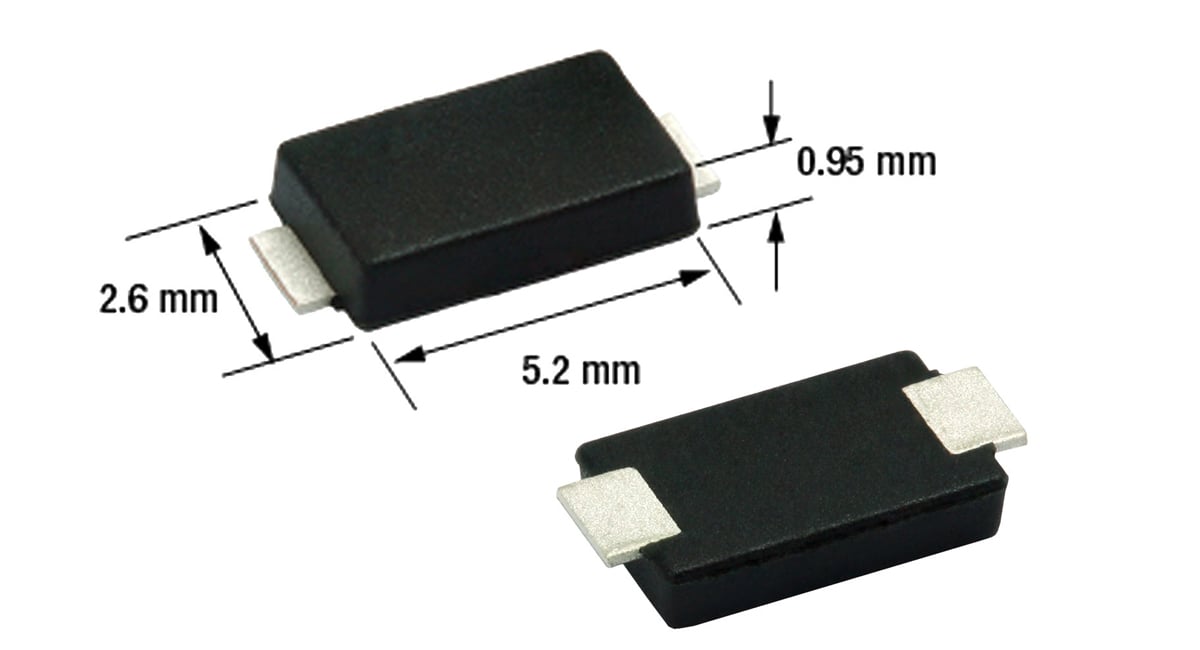
As part of the agreement, ROHM will adopt Infineon’s top-side cooling platform — including several standardised housings such as D-DPAK and H-DPAK — which promises greater power density, reduced cooling costs, and more efficient use of board space. Infineon, in turn, will develop a compatible version of ROHM’s DOT-247 half-bridge package, broadening its recently launched Double TO-247 IGBT portfolio.
Silicon carbide chips, which switch electricity more efficiently than conventional silicon devices, are increasingly used in high-power applications ranging from on-board vehicle chargers to energy storage systems. Both companies said the partnership would help accelerate decarbonisation by enabling more compact and energy-efficient designs.
Dr Peter Wawer, Infineon’s Green Industrial Power Division President, said the tie-up would “provide customers with a wider range of options and greater flexibility in their design and procurement processes.” ROHM’s Power Devices Head, Dr Kazuhide Ino, described it as “a significant step” that would “broaden the portfolio of solutions” available to customers.
The companies also signalled their intention to extend the collaboration beyond SiC to include gallium nitride and other wide-bandgap power technologies.