





BTU International is pleased to announce its participation in SMTA International 2025, taking place 21–23rd October at the Donald E. Stephens Convention Centre in Rosemont, Illinois. At Booth #2927, BTU representatives will be available to discuss the company’s 75 years of reflow innovation and how its solutions continue to evolve to meet today’s manufacturing challenges.
BTU is known for its ability to deliver high-performance reflow ovens that support high-reliability applications, optimise thermal process control, and minimise cost of ownership. Whether building aerospace, automotive, medical, or industrial products, manufacturers rely on BTU’s expertise to ensure consistent, high-yield production.
BTU’s convection reflow platforms are designed to meet the needs of high-mix, high-volume production with features such as:
- Precise thermal profiling via configurable heating and cooling zones
- Energy-saving technologies that reduce operational costs
- Flux management systems to support process stability and cleanliness
- Modular design and smart diagnostics to improve uptime and maintainability
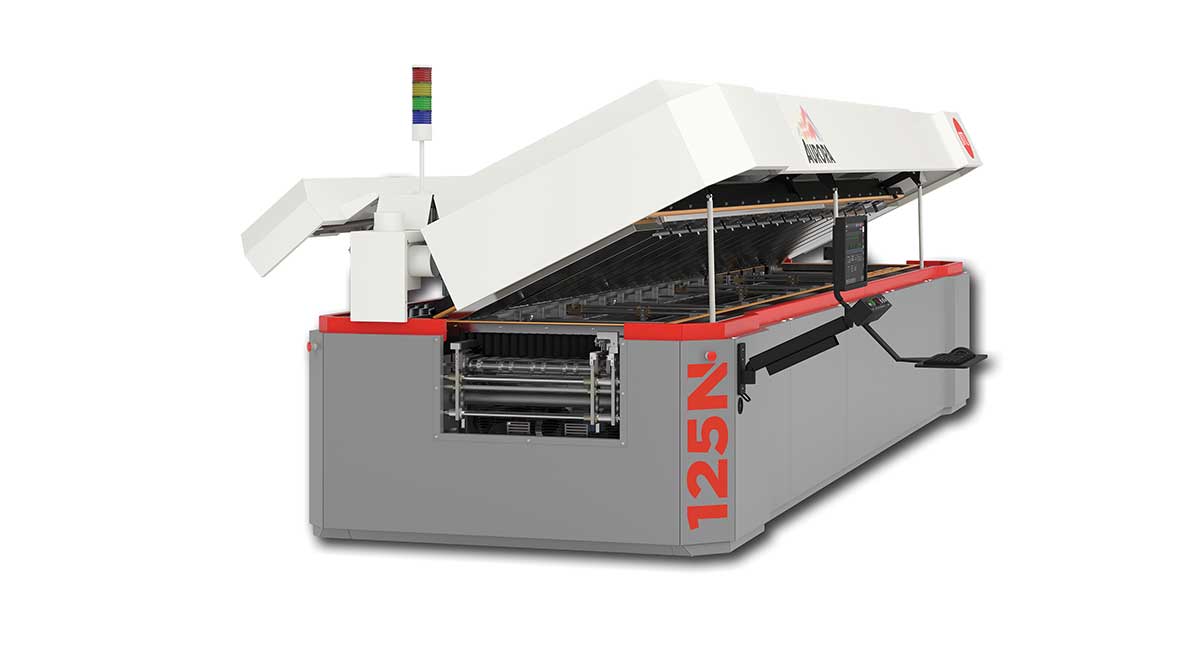
The Aurora series is BTU’s latest innovation in convection reflow technology, combining thermal performance, process control, and energy-efficient design. With the recent addition of the Aurora 125N, the platform now includes four powerful configurations – 125, 150, 175, and 200N – each tailored to meet the specific throughput and scalability requirements of today’s high-mix, electronics manufacturers.
“We’re excited to connect with customers at SMTAI and share how BTU’s reflow solutions are solving real-world challenges – from energy efficiency to tighter process windows,” said Bob Bouchard, Director of Sales – Americas at BTU International.
BTU’s reflow expertise extends beyond hardware. The company also offers global support, custom process development, and integration guidance for complex manufacturing environments.
Attendees at SMTA International are invited to stop by Booth #2927 to speak with the BTU team, explore reflow best practices, and learn how smart thermal processing can improve yield, reduce energy use, and support long-term manufacturing success.