







Power electronics engineering is a multidisciplinary division of electronics engineering that controls and converts electrical power using high voltages and currents. Power electronics make it possible to deliver energy efficiently to everything from industrial motors to renewable energy systems and electric vehicles.
At its core, power electronics is about processing, controlling, and converting electric power into usable forms. This includes changing alternating current (AC) to direct current (DC) through rectifiers, DC to AC through inverters, or stepping DC up or down with DC/DC converters. These functions are essential because they allow electronic systems to run more efficiently, support the integration of renewable energy, enhance safety and reliability, and scale to meet growing demand in modern applications.
What do power electronics do?
Power electronic systems convert electrical energy from one form to another while optimising parameters such as voltage, current, and frequency. This conversion often involves:
- Modifying voltage levels to match device requirements
- Adjusting current to ensure stability and efficiency
- Controlling frequency, particularly for motor drives and grid applications
- Managing power quality, such as reducing harmonics and improving factor correction
The aim is to achieve maximum efficiency and reliability while minimising cost, size, and weight. This is accomplished using advanced semiconductor materials such as silicon carbide (SiC) and gallium nitride (GaN), which enable higher switching frequencies. Higher switching speeds allow for smaller and lighter passive components, while innovations in cooling, control algorithms, and integration techniques bring further improvements to performance.
Power electronic components
There are many components that make up the foundation of power electronics, these include:
- Diodes: control the flow of current in one direction, commonly used in AC/DC conversion
- Thyristors: high-power switches capable of handling very high voltages and currents, often used in industrial drives and power grids
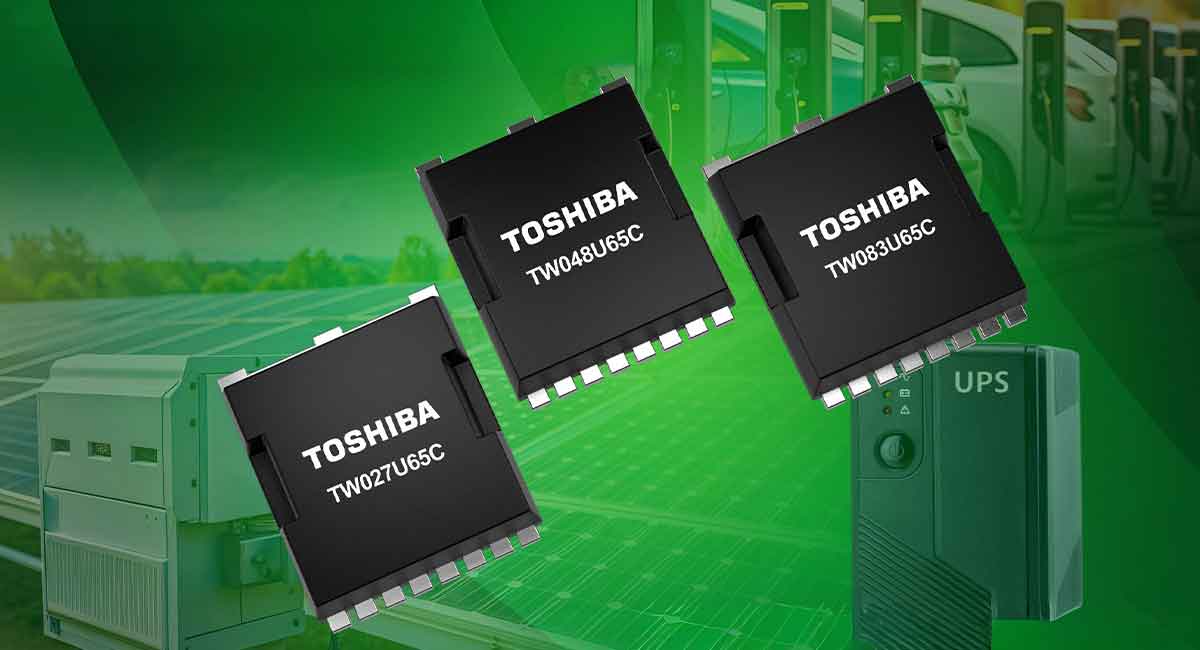
- MOSFETs and IGBTs: semiconductor transistors that act as fast, efficient switches for managing power conversion and motor control
These active devices are supported by passive components such as capacitors, inductors, and transformers, which store energy, filter signals, and help with heat dissipation.
What does a power electronics engineer do?
Power electronics engineers design, test, and optimise systems that convert and manage electrical power. Their work can range from developing circuit topologies for converters and inverters, to selecting semiconductor devices, to creating control strategies for efficiency and reliability. They also address thermal management, electromagnetic interference (EMI), and safety compliance. In practice, this means working across industries such as automotive, aerospace, industrial automation, consumer electronics, and renewable energy.
Applications and examples
Power electronics are found in almost every modern electrical system such as:
- Electric vehicles: inverters that drive electric motors, and converters that manage battery charging and discharging
- Sports cars: high-performance traction inverters that deliver rapid power transfer for acceleration
- Renewable energy: solar inverters that convert DC from photovoltaic panels into grid-compatible AC
- Industrial automation: variable frequency drives (VFDs) that control the speed and torque of motors used in conveyor belts, pumps, and robotic arms
- Consumer devices: laptop and smartphone chargers, which rely on compact DC/DC converters
A growing market
By 2030, as much as 80% of all electrical power will pass through power electronics at some point between generation and consumption. This shift is driven by three key trends:
- The rise of renewable energy, which requires efficient conversion to integrate with existing grids
- Electrification of transport, where vehicles rely on compact, high-power conversion systems
- Industrial and consumer demand for lighter, more efficient devices
In the past, much of this control and conversion relied on mechanical systems or less efficient linear electronics. Today, semiconductor-based power electronics deliver faster, more efficient, and more flexible control over power flows.
As industries continue to electrify and decarbonise, power electronics will remain central to ensuring that energy is delivered where it is needed, in the right form, with minimal losses.