







The upcoming iOS 26 update is expected to affect approximately 75.5 million iPhone XR, XS, and XS Max users worldwide. As a result, this could generate an enormous 1,238,944kg of e-waste, roughly the same weight as 103 double-decker buses. And the materials from scrapping these old phones could be worth a staggering £271,425,584.
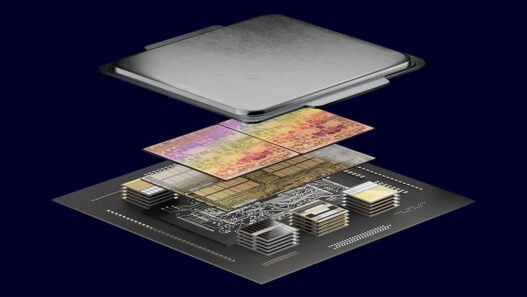
Copper is the most abundant metal found in our devices. Over 1,208,800kg are generated from 75.5 million old devices, worth a total of over £8,673,519. Silver falls into second place with more than 26,443kg produced at a value of £24,607,497.
However, the most valuable metal is gold. While 2,569kg can be retrieved from these old phones, its huge market price means it could be worth an enormous £208,454,555.
Lastly, palladium within phones will generate 1,238,944kg of waste, valued at £29,690,013.
Why will it generate e-waste?
When Apple stops supporting certain devices with the latest iOS updates, these devices gradually become outdated and less secure day by day.
Many users will therefore feel pressure to upgrade to a new model, leaving their old devices unused or discarded, which adds to the growing stream of e-waste.
What can consumers and the industry do?
The best option for any old unsupported devices is to recycle them. Up to 80% of the materials in your phone are recyclable, and many materials carry value if they’re extracted and reused.
Lots of places offer recycling schemes that pay you to recycle your old device, such as most mobile phone networks and Money Magpie. There’s even a dedicated comparison site to ensure you get the best deal for your old electronics, Compare and Recycle.
Graham Matthews, Waste Management Expert at Business Waste, comments: “E-waste is the world’s fastest-growing solid waste stream with more than 50 million tonnes generated globally each year. With iOS 26 making models like the iPhone XR, XS,and XS Max obsolete, millions of devices could be discarded, which will create a substantial amount of e-waste.
“However, the good news is that most materials in our devices are recyclable, so you can reduce your carbon footprint. By doing this, you reduce e-waste and prevent it from going to landfill.
“E-waste that ends up in landfills can damage our soil, ecosystems, and even human populations as hazardous substances leak out and contaminate the environment. So, it’s especially important to ensure you recycle old devices responsibly.”